How to Plan an Epic Road Trip Across Western Canada
Western Canada is one of those places where the journey can be just as memorable as the destination. One day you can be walking along Vancouver’s waterfront, and the next you can be driving past turquoise lakes, mountain peaks, waterfalls, glaciers, and small towns that feel like they belong on a postcard. It is a region made for travellers who want more than a simple vacation. It is for people who want stories, views, movement, adventure, and memories they will keep long after the trip ends.
That is what makes a Western Canada road trip such a natural fit for Epic Experiences. A great trip is not only about where you go. It is about what you do when you get there. Whether it is a Segway tour through Stanley Park, a scenic kayak tour, a Banff adventure, a rafting experience in Kananaskis, or a fun activity in Edmonton, the best travel memories often come from the experiences you choose along the way.
If you are planning a trip through British Columbia and Alberta, here is how to build a road trip that feels exciting, balanced, and truly epic.
Start with the Route, Not the Schedule
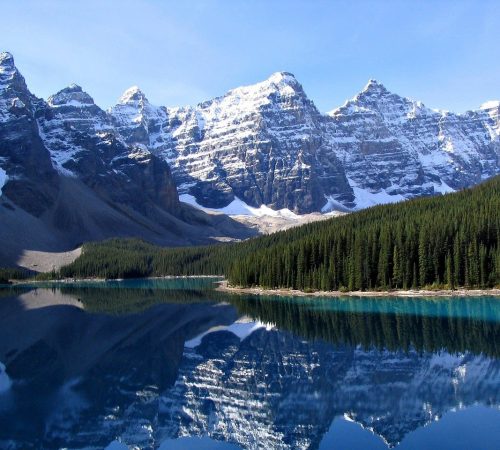
The biggest mistake people make when planning a Western Canada road trip is trying to see everything in one trip. British Columbia and Alberta are packed with incredible stops, so the goal should not be to rush from place to place. The goal should be to create a route that gives you enough time to enjoy the experiences along the way.
A classic first-time route starts in Vancouver, heads north toward Whistler through the Sea to Sky Corridor, moves inland through British Columbia, then continues into Alberta, passing through Banff, Lake Louise, the Icefields Parkway, Jasper, Kananaskis, Calgary, and, for a longer trip, Edmonton. This offers a diverse blend of city life, mountain scenery, national parks, outdoor adventures, cuisine, culture, and unique local experiences.
For a shorter trip, plan seven days from Vancouver to Banff or Calgary. For a more relaxed route, take ten days and add Whistler, Kelowna, Golden, Banff, Lake Louise, and Calgary. For the most complete experience, plan fourteen days or more and include Jasper, the Icefields Parkway, Kananaskis, Edmonton, and extra time for tours, hikes, scenic stops, and rest days.
A road trip should feel exciting, not exhausting. Leave room for slow mornings, unexpected viewpoints, and experiences that deserve more than a quick photo stop.
Vancouver Places to See Before You Drive East
Before heading into the mountains, spend at least one or two days exploring Vancouver. If you are looking for a place to stay, this 1 Night Stay with Breakfast for Two Vancouver is a great way to relax and enjoy the city before your adventure begins. Vancouver is one of the best starting points for a Western Canada road trip because it gives you ocean views, city energy, parks, food, markets, and outdoor adventure all in one place.
Speaking of an outdoor adventure, some of the best Vancouver places to see include Stanley Park, Granville Island, False Creek, Gastown, Canada Place, and the Capilano Suspension Bridge area.
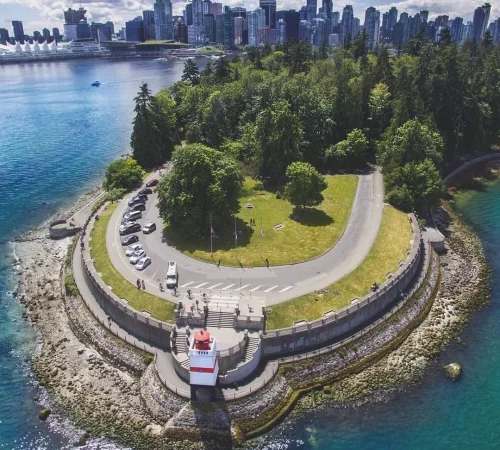
Stanley Park is especially worth including because it gives visitors a mix of forest, ocean views, seawall paths, gardens, landmarks, and peaceful green space right beside the city.
Granville Island is another must-visit stop, especially if you enjoy local food, markets, art, and a lively waterfront atmosphere. For travellers who like interactive activities, a clue-solving adventure around Granville Island can turn sightseeing into something more playful and memorable.
False Creek is ideal for travellers who want to get on the water. A scenic kayak tour gives you a completely different view of Vancouver’s skyline, bridges, waterfront, and surrounding mountains. If you are looking for Things to do before officially starting your road trip, Vancouver gives you plenty of options that combine sightseeing with experience-based travel.
The goal is not just to see Vancouver. The goal is to begin the trip with a memory.
Drive the Sea to Sky Highway Toward Whistler
Once you leave Vancouver, the road trip starts to feel cinematic. The drive toward Whistler is one of the most beautiful transitions in Western Canada, moving from coastal city views into mountain scenery. This stretch takes you past ocean views, forested slopes, waterfalls, cliffs, and scenic pullouts that make the drive feel like part of the adventure.
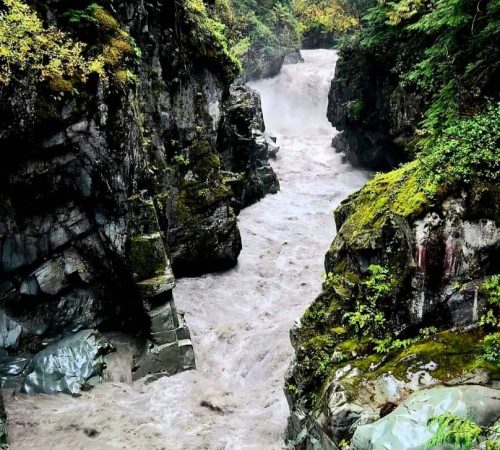
Give yourself time on this route. Do not treat it as a simple drive from point A to point B. Stop near Squamish for viewpoints or gondola ride. If it fits your schedule, visit Squamish Canyon, a great place nature walks and photos. Continue toward Whistler for mountain village energy, outdoor dining, lakes, trails, and adventure activities.
Whistler is a great place to spend a night because it gives the trip a different rhythm. Vancouver feels coastal and urban. Whistler feels alpine, active, and outdoorsy. You can keep the day relaxed with sightseeing and food, or make it more adventurous with activities that match your group’s comfort level.
This is where planning around experiences matters. Some travellers want adrenaline. Others want scenery, food, or a slower pace. The best road trip has a balance of both.
Add a Slower Stop in the Interior
After Whistler or Squamish, many travellers rush straight toward the Rockies. That can work, but adding a slower stop in the interior makes the trip more enjoyable. Western Canada is not only about dramatic mountain peaks. It is also about lakes, vineyards, small towns, forest roads, local restaurants, and quiet evenings after a long drive.
Depending on your route, consider stops like Kelowna, Revelstoke, or Golden. Kelowna and the Okanagan are great for lake views, wineries, local food, and a slower pace. Revelstoke is ideal for mountain scenery, outdoor adventure, and small-town charm. Golden works well as a practical stop before entering the Rockies, especially if you want access to nearby parks, waterfalls, bridges, and alpine landscapes.
This is the part of the trip where you should slow down and reset. Do laundry, sleep in, take a scenic walk, book one special activity, and avoid cramming the day with too much driving. The best road trips are built with rhythm. Some days are for movement. Some days are for adventure. Some days are for breathing.
Experiences Alberta Road Trippers Should Add to Their Itinerary
Once you cross into Alberta, the landscape becomes even more dramatic. This is where many travellers feel like the road trip has reached its main event. Alberta gives you Banff National Park, Lake Louise, Moraine Lake, Jasper, Kananaskis, Calgary, wildlife viewing, glacier scenery, mountain lakes, and some of the most iconic experiences in Canada.
Banff National Park is one of the strongest anchors for any Western Canada itinerary. Parks Canada describes Banff as Canada’s first national park, known for Rocky Mountain peaks, turquoise glacial lakes, wildlife, scenic drives, and the town of Banff.
Lake Louise and Moraine Lake should be planned carefully, especially during busy travel seasons. Parks Canada notes that these lakes are among the most visited destinations in Canada and recommends Parks Canada shuttles or Roam Public Transit because parking is limited in the Lake Louise area. Parks Canada also states that Moraine Lake access is by bus only, and travellers should book transportation in advance.
For Experiences Alberta road trippers can book, think beyond sightseeing. Epic Experiences offers a wide variety of Alberta adventure tours, including Banff horseback riding, Calgary Segway tours, Jasper food tours, and other unique experience gifts. In the Banff area, Epic Experiences lists options such as horseback riding, glacier helicopter tours, snowshoeing, hiking, canoeing, whitewater rafting, and adventures around Banff National Park.
This is where a road trip becomes more than a collection of photos. A horseback ride in Banff, a helicopter view over the Rockies, a guided wildlife tour, or a rafting experience in Kananaskis can become a part of the trip people talk about years later.
Drive the Icefields Parkway Slowly
The Icefields Parkway is one of the highlights of Western Canada, and it deserves its own day if your schedule allows. This drive connects Lake Louise and Jasper through the heart of the Canadian Rockies. Parks Canada states that the Icefields Parkway, also known as Highway 93 North, runs between Lake Louise and Jasper for 232 kilometres.
The key is to drive it slowly. This is not the road where you want to be watching the clock. Build in time for Bow Lake, Peyto Lake, viewpoints, waterfalls, glacier scenery, and quiet pullouts where you can simply stand and take it all in.
A valid national park pass is required to drive the Icefields Parkway, and Parks Canada notes that the journey travels through protected wildlife habitat and links Lake Louise in the south with Jasper in the north. That means planning matters. Fill up your gas tank before the drive, check road conditions, pack snacks and water, and download maps before you lose reception.
For travellers who want to make this section unforgettable, consider adding a scenic flight or glacier-focused experience. Epic Experiences lists helicopter tours over Banff National Park and the Columbia Icefield area, including flights with views of glaciers, mountain passes, icefields, waterfalls, and the surrounding Rockies.
Make Time for Kananaskis, Calgary, and Edmonton
Many travellers finish their road trip in Calgary, but it is worth thinking carefully about how you want the final stretch to feel. After several days of driving, hiking, sightseeing, and exploring, you may want a relaxed ending. Or you may want one final adventure before heading home.
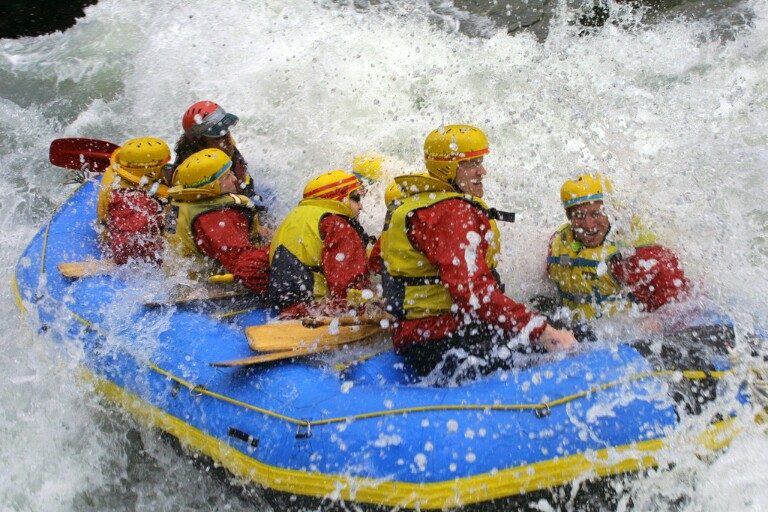
Kananaskis is ideal for outdoor experiences without going too far from Calgary. Depending on the season, travellers can add white water rafting, hiking, snowshoeing, or other guided activities. It is a great choice for groups, couples, families, or anyone who wants to end the mountain portion of the trip with something active.
Calgary gives you an easy final city stop. You can enjoy a slower day with restaurants, shopping, walks, and local attractions before flying home or continuing the drive.
For a longer route, Edmonton can be added after Jasper or Calgary, depending on how you structure the trip. Edmonton is a good fit for travellers looking for a different mix of experiences, including River Valley activities, food-based experiences, spa options, axe-throwing, and fun indoor or outdoor activities. It also works well if your road trip is more than ten days and you want to include another major Alberta city before wrapping up.
Practical Tips for Planning a Western Canada Road Trip
A beautiful route still needs good planning. Western Canada has long drives, changing weather, busy attractions, mountain roads, seasonal closures, and limited services in certain areas. A little preparation can make the difference between a stressful trip and a smooth one.
First, check road conditions before and during your drive. Mountain weather can change quickly, and construction, closures, or delays can affect your timing.
Second, book key experiences and transportation early. This is especially important for Banff, Lake Louise, Moraine Lake, rafting, helicopter tours, popular Vancouver activities, and summer weekends.
Third, pack for changing weather. Even in summer, mountain mornings and evenings can feel cool. Bring layers, comfortable shoes, sunscreen, a rain jacket, water, snacks, chargers, and a basic emergency kit for the car.
Fourth, do not over-plan every hour. It is tempting to fill each day with stops, but the magic of a road trip often happens in the spaces between plans. Leave time for a viewpoint you did not expect, a small-town café, a scenic detour, or an activity that catches your attention along the way.
Finally, choose experiences that match your group. Not everyone wants high-adrenaline adventure every day. Mix sightseeing with soft adventure, food, wellness, nature, and rest. That balance makes the trip better for everyone.
Suggested 10-Day Western Canada Road Trip Itinerary
Here is a simple sample route for a memorable Western Canada road trip, with Epic Experiences-style activities blended into each location.
Day 1: Arrive in Vancouver
Start your trip in Vancouver with a relaxed day exploring Stanley Park, Granville Island, False Creek, Gastown, or Canada Place. To make the first day more memorable, add the Segway Tour through Stanley Park, Vancouver. It is a fun way to enjoy the seawall, coastal views, greenery, and iconic park scenery without making the day feel too intense.
Day 2: Vancouver Experiences and City Adventure
Spend your second day enjoying more Vancouver experiences before leaving the city. You could paddle along False Creek on a kayak tour, try a Granville Island clue-solving adventure, visit Capilano Suspension Bridge, or enjoy a scenic waterfront activity. This gives you a full city experience before shifting into the mountain portion of the road trip.
Day 3: Vancouver to Whistler
Drive the Sea to Sky Highway toward Whistler. Stop near Squamish for viewpoints, waterfalls, or a scenic gondola-style experience if it fits your schedule. Spend the evening in Whistler, enjoying the village, mountain views, restaurants, and a slower alpine atmosphere.
Day 4: Whistler to Kelowna or Revelstoke
Choose a scenic inland drive and slow down with lake views, local food, or a relaxing evening. If you choose Kelowna, make the day softer with time near the water or a food-focused stop. If you choose Revelstoke, lean into mountain scenery, short hikes, and outdoor adventure.
Day 5: Revelstoke or Golden
Use this as a lighter day before entering the Rockies. Add a short hike, viewpoint, local attraction, or outdoor experience. Golden is a useful stop if you want to be closer to the Alberta border and ready for Banff the next day.
Day 6: Golden to Banff
Enter Alberta and spend your first evening in Banff. Walk through town, enjoy mountain views, and book an experience that helps you connect with the landscape. Good options include horseback riding, a guided scenic tour, canoeing in season, or a relaxed evening activity.
Day 7: Banff, Lake Louise, and Moraine Lake
Visit Lake Louise and Moraine Lake with proper transportation planning. Add a Banff-area experience such as horseback riding, hiking, canoeing, or a scenic adventure. This is one of the most important days of the trip, so avoid rushing it.
Day 8: Icefields Parkway and Jasper
Drive the Icefields Parkway slowly and stop often for lakes, glaciers, waterfalls, and viewpoints. If your schedule allows, continue into Jasper for the night. Add a Jasper food tour, wildlife-focused experience, or scenic activity to bring more variety to the mountain portion of the trip.
Day 9: Kananaskis or Calgary
Head toward Kananaskis or Calgary. If your group wants one final adventure, add white water rafting in Kananaskis. If you prefer something lighter, spend time in Calgary with food, shopping, city walks, or a relaxed experience before the trip ends.
Day 10: Calgary or Extend to Edmonton
End the trip with a relaxed Calgary day before heading home. For a longer route, continue to Edmonton and add activities like a Segway tour through the River Valley, axe-throwing, a food experience, a spa package, or another city-based adventure. Edmonton is a strong addition if you want your Western Canada road trip to include more than mountains and national parks.
Final Thoughts
An epic road trip across Western Canada is not about seeing the most places in the shortest time. It is about choosing the right route, slowing down in the right moments, and adding experiences that make the journey feel personal.
Vancouver gives you the ocean, culture, food, Stanley Park, Granville Island, False Creek, and exciting city experiences. British Columbia’s highways bring you forests, lakes, mountain towns, and unforgettable views. Alberta gives you Banff, Lake Louise, Jasper, Kananaskis, Calgary, Edmonton, rafting, horseback riding, helicopter tours, food experiences, spa options, and some of the most memorable road trip scenery in the country.
The best souvenirs from this trip will not be things you buy. They will be the stories you bring home: the first time you saw the Rockies, the quiet morning by a lake, the laughter during a rafting trip, the view from above the mountains, the fun of exploring Stanley Park on a Segway, or the unexpected stop that became your favourite memory.
That is what makes Western Canada special. And that is what makes experiences worth planning for.